
Executive summary
What to take away
- Use the storage range and shelf-life information on the current product label or technical data sheet.
- Warm refrigerated materials while sealed and prevent contamination with clean, dedicated tools.
- Record receipt and opening dates so FIFO control becomes part of normal production practice.
Control the storage environment
Temperature and humidity changes can alter the chemical and physical properties of soldering materials. Use a cool, dry and clean storage area, and always follow the range stated on the current product label or technical data sheet.
Monitor storage conditions and protect containers from direct sunlight, moisture, dust and avoidable temperature cycling.
Match storage to the material
Different formulations need different controls. Typical ASH handling guidance includes:
Solder paste
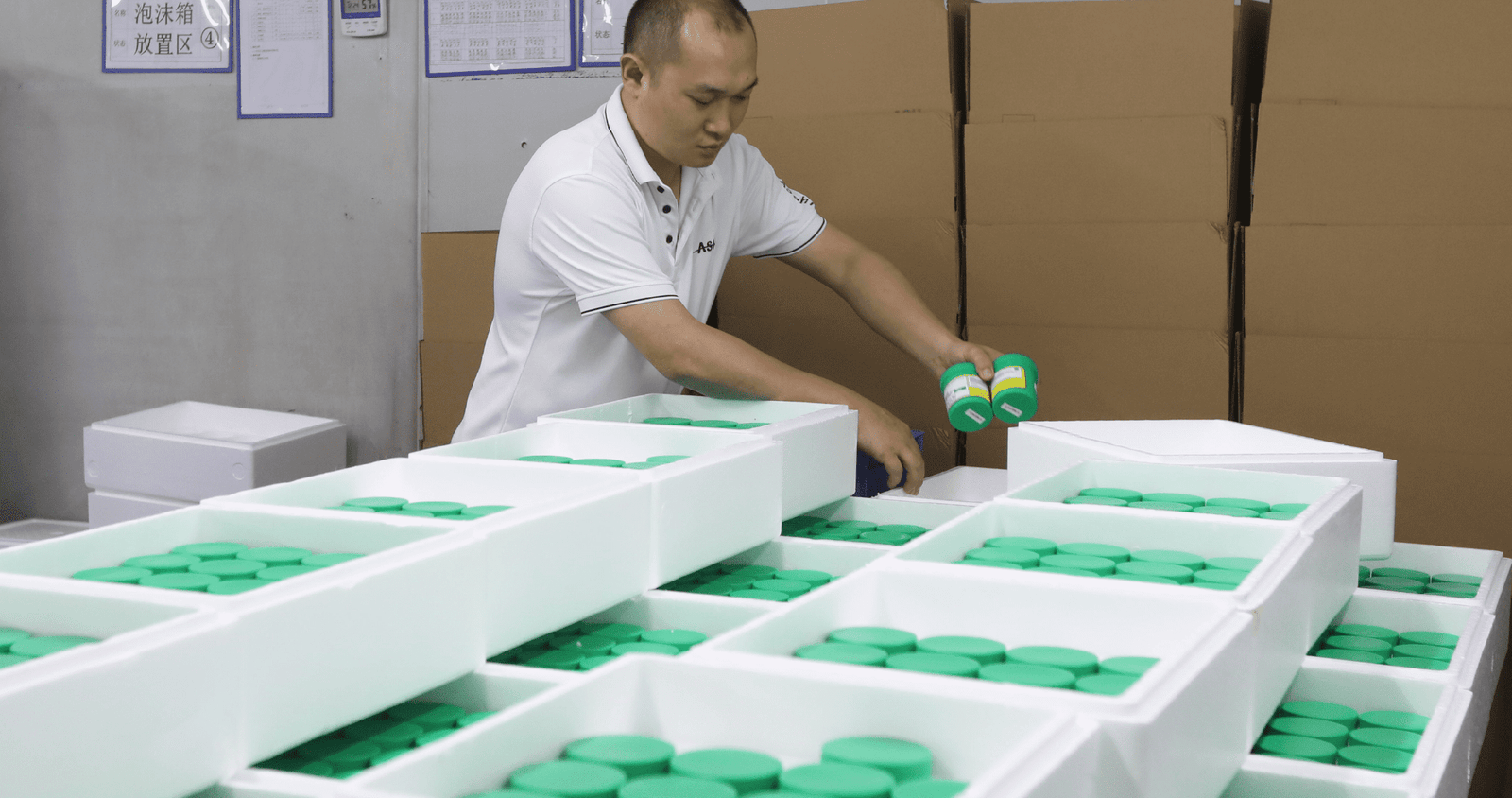
Store most grades at 0–10°C. Let a sealed container warm gradually for 2–4 hours before opening, then mix according to its instructions.
Solder bar and wire
Keep dry, clearly identified and protected from contamination or alloy mix-ups.
Flux and cleaning agents
Keep original containers tightly sealed, away from heat, and provide suitable ventilation.
Conformal coatings
Protect from direct sunlight and temperature extremes; reseal promptly to limit evaporation or thickening.
Red glue
Store typical grades at 2–8°C and allow the sealed package to reach the specified working condition before use.
Thermal grease and peelable coatings
Keep original containers sealed and never return used or contaminated material to the package.
Minimize contamination during handling
Use dedicated tools for each material, maintain a clean workstation and avoid returning used product to original containers. Careful handling preserves formulation balance and prevents foreign material from entering the process.
Use FIFO inventory control
Label every container with its receipt and opening dates. Using the oldest acceptable material first reduces expiry, waste and avoidable process variation.
Quarantined, expired or unidentified materials should be kept out of the production flow until their status is resolved.
Train and document
Clear work instructions and regular operator training turn storage guidance into repeatable practice. Make product-specific requirements easy to find at the point of use.
The result
Consistent storage and handling reduce rework, protect product quality and improve the return on every container of material purchased. Always use the current product-specific documentation when it differs from general guidance.
Last reviewed